Real Customer Feedback on Coconut Charcoal Briquettes, Get it now.!
April 22, 2026
Coconut Charcoal Briquette Crisis 2026: Why Importers Are Switching to Reliable Indonesian Suppliers?
April 25, 2026
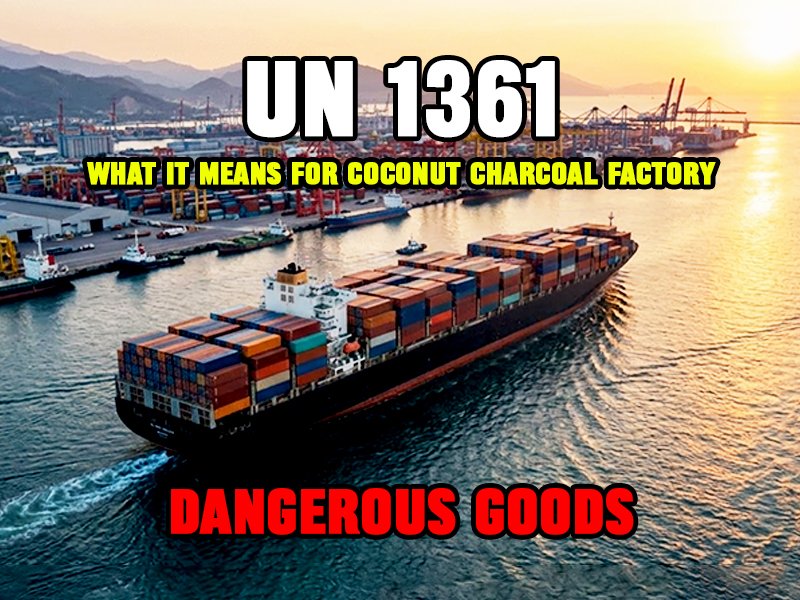
Understand UN1361 Coconut Charcoal Briquettes classification, why it is considered dangerous goods, and how exporters can comply with international shipping regulations safely.
🔥 Introduction
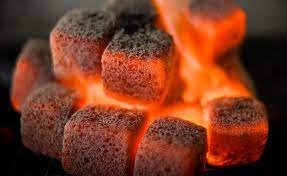
In the global charcoal briquette industry, one term is becoming increasingly important: UN1361 – coconut charcoal briquettes.
For exporters Coconut Charcoal Briquettes, this classification is no longer just technical jargon—it directly affects shipping approval, costs, and buyer trust. Failure to comply can result in shipment rejection, delays, or even serious safety risks.
Understanding UN1361 is essential if you want to succeed in coconut charcoal briquettes international markets.
📦 What is UN1361 – coconut charcoal briquettes?
UN1361 is the official United Nations classification code for charcoal under international dangerous goods regulations.
This classification is recognized globally under standards governed by the International Maritime Organization for sea transport.
coconut charcoal briquettes under UN1361 is categorized as:
👉 Class 4.2 – Self-heating substances
⚠️ Why is Considered Dangerous Goods?
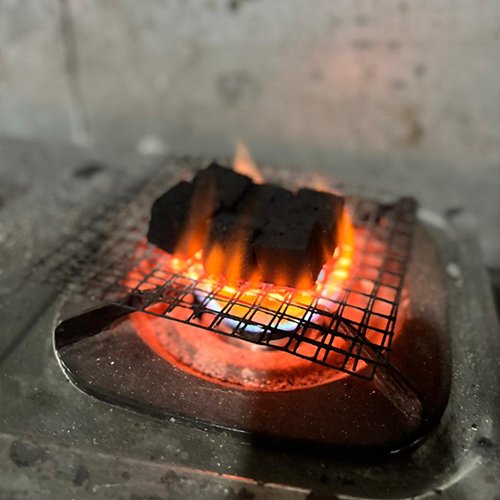
Charcoal may look harmless, but it has natural properties that make it risky during transport:
1. Self-Heating Risk
Charcoal can slowly absorb oxygen and generate heat without any external flame.
2. Fire Hazard in Containers
If not handled properly:
- Residual heat from production
- High moisture levels
- Poor ventilation
👉 These conditions can lead to spontaneous combustion.
3. Real Shipping Incidents
There have been cases of:
- Container fires at sea
- Cargo damage caused by overheating charcoal
This is why global regulations strictly control its shipment.
🔄 Key Requirements for Shipping UN1361 coconut charcoal briquettes
Exporters must follow strict procedures to ensure safety and compliance:
1. Proper Cooling Process
Charcoal must be:
- Fully cooled after production
- Stored for a sufficient period (typically 7–14 days or more)
2. Temperature Stability
Before shipment:
- The product must be stable
- No internal heat buildup
Some shipments may require testing or verification.
3. Complete Documentation
Required documents include:
- MSDS (Material Safety Data Sheet)
- Shipper’s Declaration for Dangerous Goods
- Product specifications
Incomplete or inaccurate documents can lead to rejection.
4. Approved Packaging
- Strong, export-grade cartons
- Proper ventilation
- Compliance with dangerous goods standards
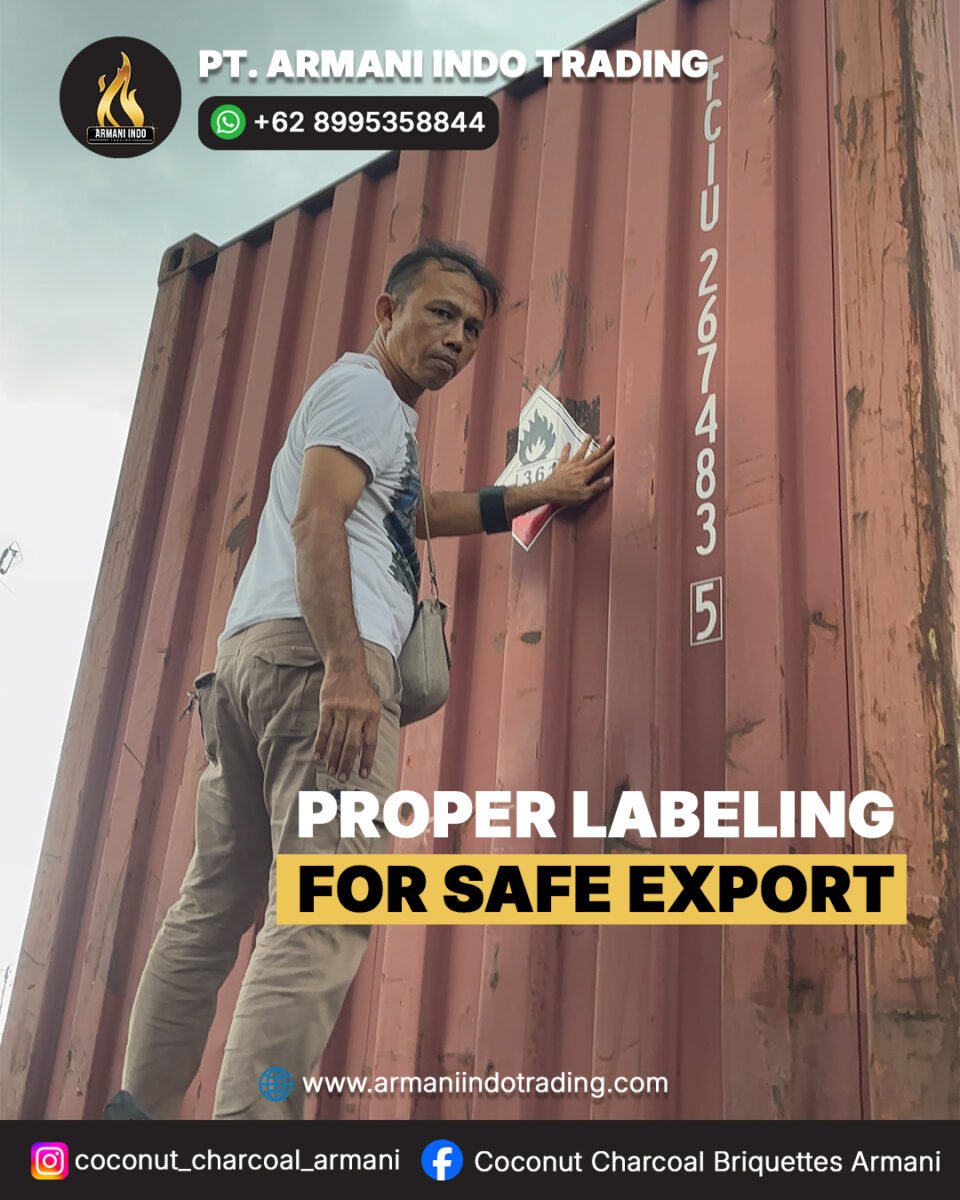
5. Correct Labeling
All shipments must include:
- Dangerous Goods labels
- UN1361 identification
- Hazard class markings
🚢 Impact on coconut charcoal briquettes Exporters
The UN1361 classification has significantly changed the industry:
- ❌ Higher shipping costs due to DG handling
- ❌ Stricter inspections from shipping lines
- ❌ Increased risk of shipment rejection
- ✅ Higher demand for compliant suppliers
🌍 Why Compliance is More Important Than Ever
With stricter global enforcement:
- Shipping companies are more selective
- Buyers prioritize safety and reliability
- Non-compliant suppliers are being eliminated
💡 How to Stay Competitive as an coconut charcoal briquettes Exporter
To succeed under UN1361 regulations, exporters should:
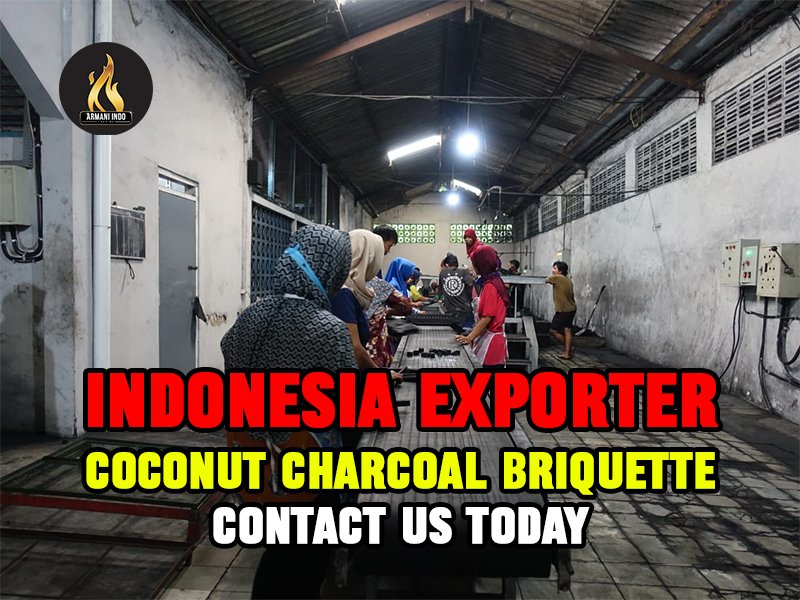
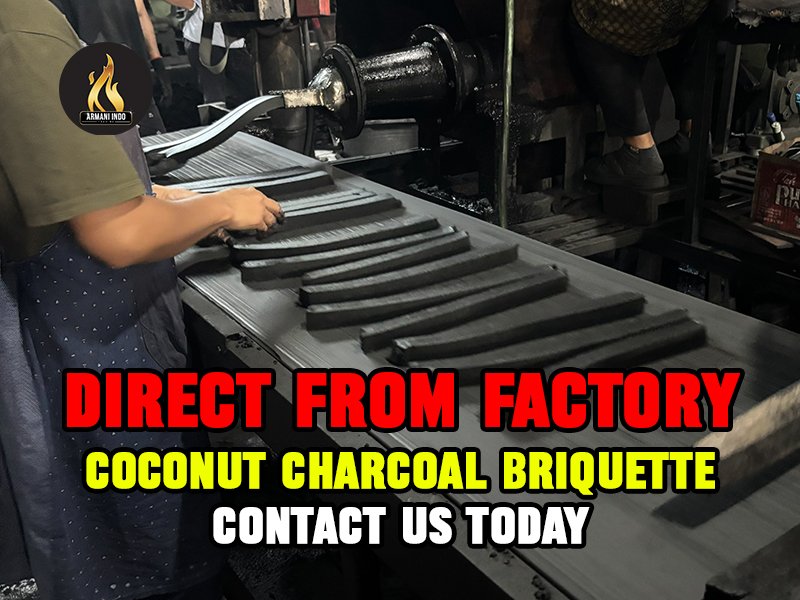
✅ Improve coconut charcoal briquettes Production Standards
Ensure:
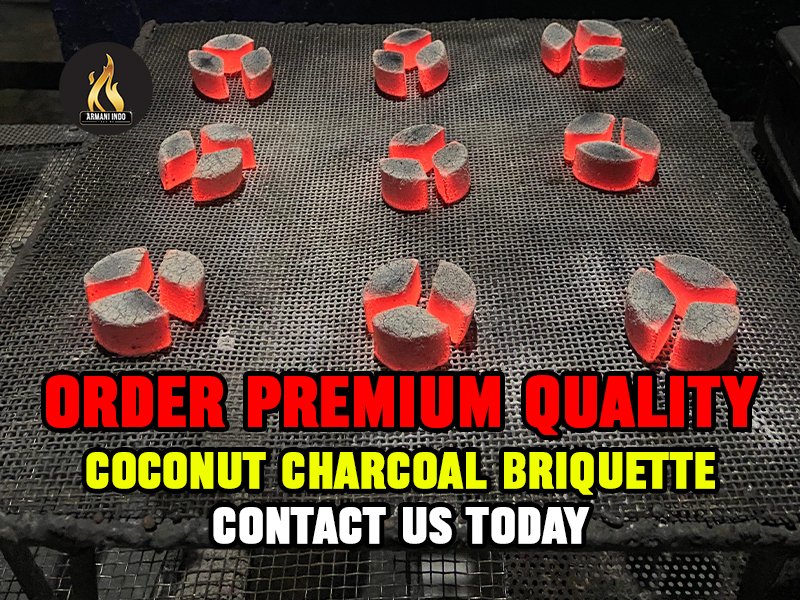
- Proper carbonization process
- Controlled moisture levels
- Consistent product quality
✅ Strengthen Documentation
- Provide professional MSDS
- Maintain transparent product data
✅ Build Trust with Buyers
- Share production process
- Provide certifications
- Demonstrate compliance clearly
🚀 Opportunity Behind UN1361 Regulations
Although stricter rules may seem challenging, they create new advantages:
👉 Serious exporters gain more credibility
👉 Market competition becomes healthier
👉 Premium-quality products are more valued
🧠 Conclusion
UN1361 – Charcoal is not just a classification—it is a critical standard that defines how charcoal products are handled in global trade.
Exporters who understand and comply with these regulations will not only avoid risks but also unlock greater opportunities in international markets.
📞 Call to Action
Looking for a reliable coconut charcoal briquette supplier that meets UN1361 standards?
👉 Contact us today for premium-quality products, full compliance, and global shipping support.
Contact Us 📞☎️
Phone WA : +62 (0) 08995358844
Email : info@armaniindotrading.com
armaniindotrading@gmail.com