
Hookah Charcoal Indonesia Exporter – Contact it Now.!
June 1, 2026
Coconut Charcoal Briquette Direct Factory – Order It Now!
June 2, 2026
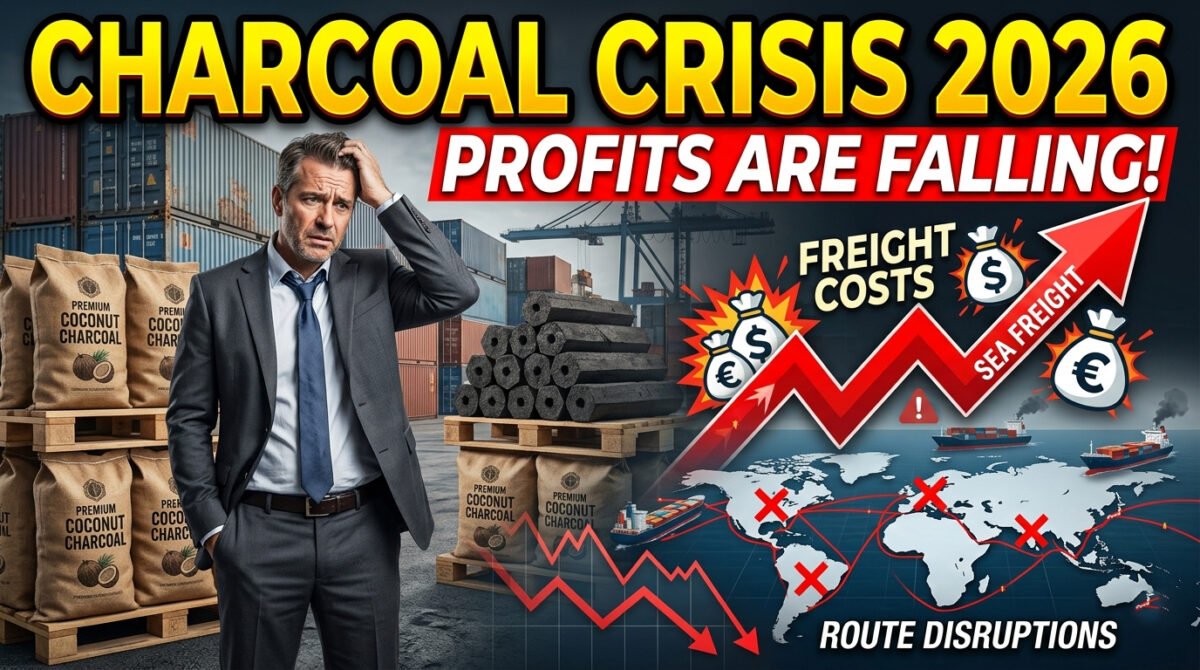
Coconut Charcoal Market Rising shipping costs and increasing raw material prices are putting pressure on charcoal businesses worldwide. Learn the causes and solutions.
Coconut Charcoal Market Industry Profit Crisis in 2026
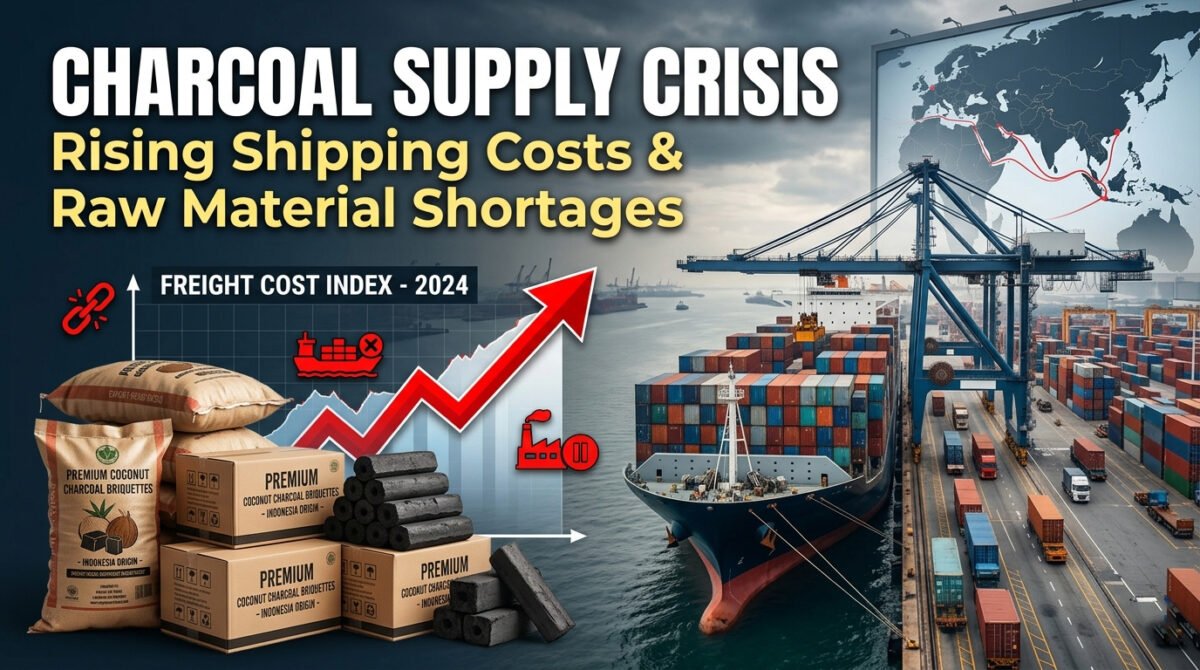
The coconut charcoal briquette industry is currently facing significant challenges. Not only are manufacturers in Indonesia struggling, but importers and distributors in the Middle East are also experiencing shrinking profit margins due to rising logistics costs and unstable raw material supplies.
A recent discussion between an Indonesian exporter and a Saudi Arabian buyer highlights the reality of today’s market. The buyer explained that their main business is suffering substantial losses because shipping expenses have increased dramatically. While they previously imported up to nine containers per month, they have now reduced their purchasing volume and started sourcing raw materials locally to lower operational costs.
Why Are Shipping Costs Increasing?
One of the biggest factors is the disruption of international shipping routes, particularly around the Red Sea region. Many shipping companies have been forced to reroute vessels through the Cape of Good Hope, resulting in longer transit times, higher fuel consumption, and increased freight charges.
For charcoal importers, freight expenses have become one of the largest components of the final product cost. In some markets, shipping costs now account for a significant percentage of the total import expense, making it difficult to maintain competitive pricing while preserving profit margins.
Raw Material Competition Is Intensifying
At the same time, Indonesian charcoal producers are facing a different challenge: securing a stable supply of quality coconut shell raw materials.
As global demand for coconut shell charcoal continues to grow, competition among buyers has become more aggressive. Many exporters report that overseas buyers, including those from China and other major markets, are purchasing large quantities of raw materials, driving prices higher.
This situation creates multiple pressures on the industry:
- Rising raw material prices
- Higher production costs
- Elevated shipping expenses
- Increased market competition
As a result, both manufacturers and distributors are experiencing reduced profitability.
Importers Coconut Charcoal Market Are Adjusting Their Strategies
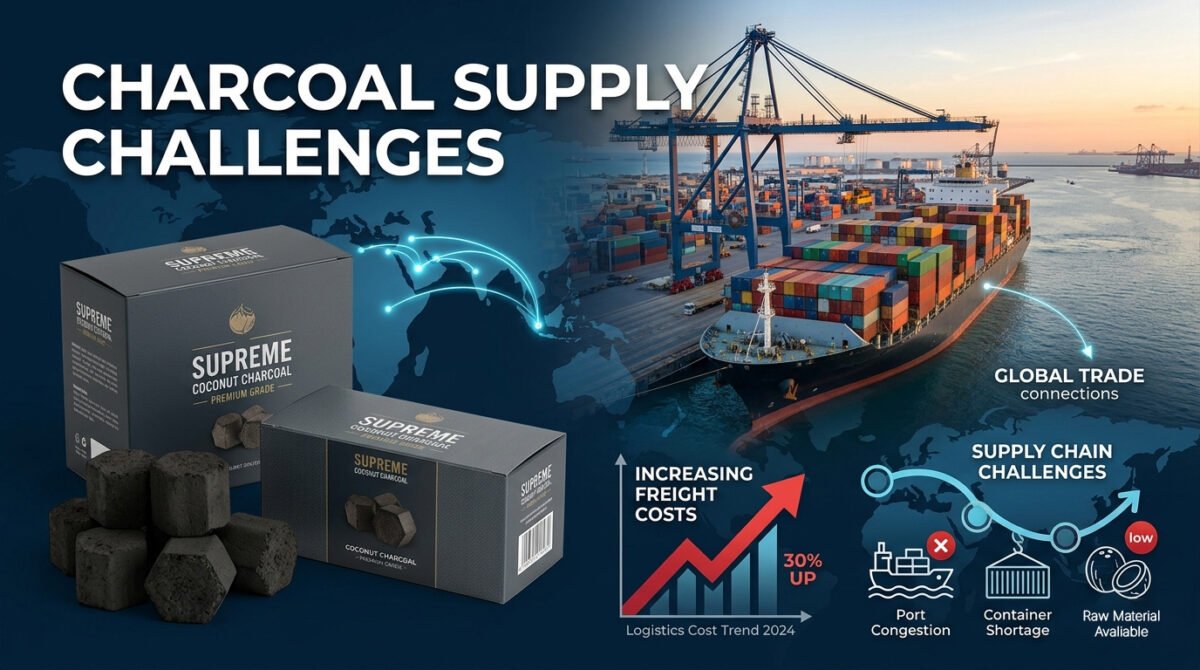
To survive in a difficult market environment, many charcoal importers are adapting their business models.
1. Reducing Import Volumes
Instead of purchasing large quantities every month, some importers are lowering their order volumes to reduce financial risk and manage cash flow more effectively.
2. Sourcing Local Alternatives
Many distributors are exploring local raw materials and alternative suppliers to reduce their dependence on imported products.
3. Focusing on Premium Products
Premium-grade charcoal products continue to perform relatively well because customers in the premium segment prioritize quality, consistency, and performance over price alone.
4. Improving Logistics Efficiency
Importers and exporters are working closely with freight forwarders and shipping companies to secure more competitive rates and optimize transportation routes.
Impact on the Global Coconut Charcoal Market
The effects of these challenges are being felt throughout the global charcoal supply chain.
Several market trends are becoming increasingly visible:
- Higher export charcoal prices
- Longer delivery times
- Limited container availability on certain routes
- Stronger competition for raw materials
- Reduced profit margins for distributors
These factors are creating a more complex business environment for companies involved in the charcoal trade.
Opportunities for Quality-Focused Suppliers Coconut Charcoal Market
Despite current challenges, opportunities still exist for manufacturers that can provide:
- Consistent product quality
- Reliable raw material sourcing
- Stable production capacity
- On-time deliveries
- Strong communication with international buyers
Today, many importers prefer long-term partnerships with suppliers who can guarantee quality and reliability rather than simply offering the lowest price.
Conclusion
The year 2026 has become a challenging period for the coconut charcoal briquette industry. Rising freight costs, disruptions in global shipping routes, and increasing raw material prices have placed significant pressure on both exporters and importers. However, businesses that focus on quality, supply stability, operational efficiency, and strong customer relationships can continue to grow and succeed despite market uncertainties.
This article is based on information and market feedback obtained directly from a charcoal importer in Saudi Arabia who is actively involved in the coconut charcoal distribution business.
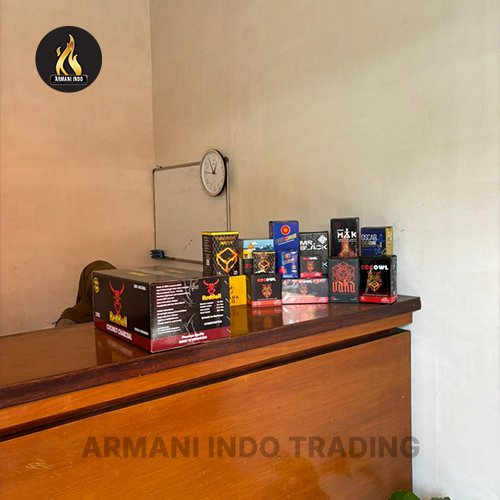
We offer coconut shell briquette charcoal with consistent quality and are ready for regular supply. 🔥
Product details can be found on our official website, Instagram, and Facebook.
Website: www.armaniindotrading.com
Instagram: coconut_charcoal_armani
Facebook: https://www.facebook.com/share/1B8M3TBbPH/?mibextid=wwXIfr
Adress : VC77+G58, JL. LETJEND SUPRAPTO, PAREN, SIDOMULYO, UNGARAN TIMUR DISTRICT, SEMARANG REGENCY, CENTRAL JAVA, INDONESIA
If you need anything, we’re ready to send you our best offer. 👍
Contact Us 📞☎️
Phone WA : +62 (0) 08995358844
Email : info@armaniindotrading.com
armaniindotrading@gmail.com